PSONE BUYER GUIDE
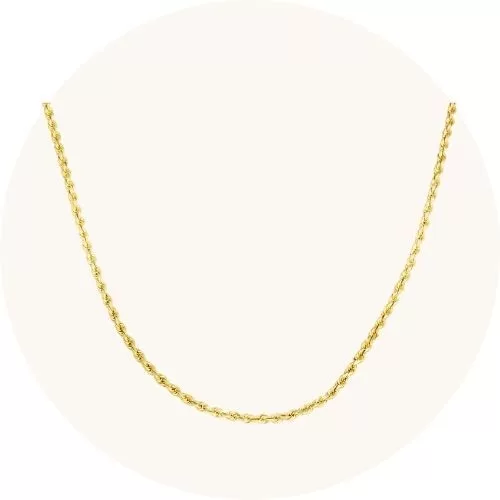
Necklace sourcing requires buyers to connect visual design with length, scale, balance, closure, chain movement and packaging. A front-view photograph cannot show all of those features.
Retail and e-commerce teams also need accurate product data so customers understand fit. Measured information reduces dependence on model photography and vague size descriptions.
This guide covers assortment, specification, sample review and replenishment for pendants, chains and layered products.
Define Customer, Use and Length Architecture
Choose core lengths and extensions for the target customer and styling purpose. Layered collections need deliberate separation between pieces.
For retail and e-commerce necklace buyers, the practical test is whether define customer, use and length architecture can be converted into a written decision that another team member can understand. Link that decision to measured samples, wear review, specifications and packing tests. If information is missing, label it as open rather than allowing a supplier or colleague to guess.
Specify Pendant Scale and Balance
Record pendant height, width, thickness, orientation, bail or connector and weight. Review whether it hangs correctly on the selected chain.
A useful review compares options on the same basis. Keep how design, fit, function and presentation work together visible and record why an alternative was accepted or rejected. This prevents a later price, appearance or schedule discussion from relying on different assumptions.
Choose Chain, Closure and Findings
Define link profile, width, length, extension, clasp and connecting rings. Components should be compatible in strength, finish and scale.
Documentation does not need to be complicated. A dated worksheet, marked photograph or approved specification can be enough when it names the product, revision and responsible approver. The important point is that necklace sourcing decisions remain traceable.
Document Material, Finish and Stones
Separate base material, chain and findings where necessary. Add finish color, stones, setting and care information based on the confirmed product.
Sampling should answer a defined question. Decide whether the team is evaluating scale, construction, material, finish, function, branding or packaging, then capture the result. An attractive sample is not a complete approval if a necklace that looks right but hangs or packs poorly remains unresolved.
Review Samples on the Body
Measure the sample and wear it. Check drape, pendant orientation, closure access, movement, comfort and whether scale matches product photography.
Commercial planning belongs beside the technical review. MOQ, sample cost, production schedule, packing and delivery terms may change when the chosen option changes. Ask for those effects to be stated before the team approves a revision.
Design Anti-Tangle and Retail Packaging
Test cards, tie points, pouches or boxes with the actual chain. Packing should protect the finish and remain practical for fulfillment.
International buyers should identify destination and channel requirements early. Avoid copying claims, labels or care text from another product. Request the evidence needed for the actual material and market, and keep unsupported language off the retail page.
Use Length and Finish Data for Reorders
Track sell-through, returns and questions by design, length and finish. Consolidate slow variants and preserve approved specifications for successful products.
The final handover should be usable for a purchase order and a future reorder. Include the approved files, variant mix, quality priorities, packaging and open conditions. This turns necklace sourcing from a one-time conversation into a repeatable buying process.
Common Mistakes to Avoid
These mistakes create avoidable ambiguity, delay or cost. Use them as a review list before the next supplier conversation.
- Choosing chain after the pendant is approved.
- Using model photos without dimensions.
- Ignoring connector compatibility and balance.
- Packing fine chains without anti-tangle control.
- Reordering the original length mix without data.
Buyer Action Plan
Create a necklace specification that treats pendant, chain and packaging as one product system.
- Select core length and extension.
- Measure pendant and connector.
- Define chain, closure and findings.
- Confirm materials, finish and stones.
- Wear-test the sample.
- Approve anti-tangle packing and retail data.
Keep the resulting notes with the product brief and quotation. When the project changes, update the relevant item instead of creating an informal second version.
Frequently Asked Questions
What necklace lengths should a retailer stock?
Use target-customer and sales data; there is no universal assortment.
Can a pendant use several chains?
Possibly, if connector, weight, scale, finish and commercial terms are compatible.
How is pendant size described?
Use height, width, thickness, drop, approximate weight and chain length.
Why does anti-tangle packing matter?
It protects fine chains and improves fulfillment and customer presentation.
Should extensions be measured separately?
Yes. State main wearable length and extension range clearly.
Continue Your PSOne Research
Use the next pages to move from research to a product specification. They explain wholesale manufacturing, custom development, product categories and the information needed for a quotation.
Wholesale jewelry manufacturer guide · Custom jewelry manufacturer guide · Product categories · Request a project quote
Practical Procurement Worksheet
Begin with a one-sentence decision statement: “We are reviewing retail necklace sourcing for a customer who needs clear scale, fit and product information, and approval depends on how pendant, chain, closure and packaging work as one product.” This sentence keeps the discussion connected to a commercial purpose. Add the owner, target decision date and affected SKUs. If the team cannot write the statement clearly, more research is probably needed before a supplier is asked to quote or change a sample.
Create an evidence register with three columns: confirmed, open and not applicable. Place measured samples, wear review, specifications and anti-tangle tests in the confirmed column only when the current product or project supports it. Put missing measurements, artwork, material details, sample results and market documents in the open column with a named owner. This simple register prevents an attractive presentation or confident email from being treated as proof of a technical or commercial fact.
Translate the decision into measurable product information. For this topic, record chain length, extension, pendant dimensions, connector, closure, weight, material and finish. Use units, named standards, controlled color or finish references and file revisions where they matter. Photographs can show location and appearance, but they should not replace measurements or component descriptions. If a tolerance is needed, identify why it matters to fit, function, retail information or quality control rather than applying arbitrary precision.
Build a commercial-impact column beside every open choice. A change can affect chain and component MOQ, variants, packaging, returns, freight and replenishment. Ask the supplier to state those effects before approval, then compare alternatives against the same product objective. This makes value engineering transparent: the buyer can accept a change because it preserves customer value, or reject it because the lower price creates a material, performance, branding or inventory problem.
Use the sample plan to answer defined questions about drape, balance, scale, closure, movement, finish and package restraint. Name the sample type, product revision, features represented and features that remain provisional. Review the physical item where fit, weight, movement, color or packaging matters. Consolidate comments into one numbered response and distinguish a correction from a new design request, because the latter may require a revised quotation and schedule.
Prepare an approval package that a colleague can understand without reading the entire email history. Include the necklace specification, wear notes, product data and approved packing method, the final quotation assumptions, variant allocation, packaging, destination and open commercial conditions. The package should show what is approved, who approved it and which version controls. A clear handover reduces production risk and gives customer-service, content and inventory teams accurate information.
Run a pre-order risk review focused on a product that looks correct flat but hangs, closes or packs poorly. Rate each risk by customer effect and likelihood, then choose a proportionate control such as another measurement, written supplier confirmation, a specific sample, inspection point or packaging test. Do not request documents or tests merely to create a larger file. Each control should answer a real buying question and be linked to the order.
Finally, define the reorder or next-decision rule. Track sell-through, returns and customer questions by length, design and finish and compare the result with the assumptions in the first worksheet. Preserve successful specifications while documenting any material, component, finish, size, artwork or packaging change. This feedback loop turns one sourcing exercise into a repeatable operating capability and helps PSOne or another supplier respond to evidence instead of guesswork.
Thirty-Minute Team Review
- State the buyer, product, destination and decision in one sentence.
- Mark each required fact as confirmed, open or not applicable.
- Check that product measurements and material descriptions match current files.
- List the MOQ, sample, price, schedule and packaging effect of every open choice.
- Name the sample purpose and acceptance questions.
- Confirm the current artwork, specification and approval owner.
- Choose controls for the highest customer and commercial risks.
- Set the metric and date for the next order or content review.
Use this worksheet as a working record rather than a marketing document. It is intentionally neutral about prices, production time, material claims, shipping and supplier performance until the relevant evidence exists. That discipline makes the final product page more trustworthy and gives purchasing teams a defensible reason for each decision.
Accurate necklace data also supports internal links between related pendants, earrings, bracelets and custom development pages.
Continue Your Jewelry Sourcing Research
Use the related PSOne resources to compare product categories, prepare a clearer manufacturing brief and send the information required for a project-specific quotation.
Buyer resource hub
Related Jewelry Sourcing Guides
Use these related PSOne resources to compare product options, prepare clearer specifications and move from research to a practical wholesale inquiry.
- jewelry sourcing knowledge centerContinue with practical articles for sourcing and product teams.
- how to choose a jewelry manufacturerUse a practical due-diligence framework before selecting a supplier.
- wholesale jewelry buying guideMove from assortment planning to a clearer purchase-order brief.
- jewelry quotation comparison guideCompare scope, materials, testing, packaging and delivery on equal terms.
- custom pendant sourcingReview pendant concepts for coordinated wholesale jewelry ranges.
- necklace sourcing optionsCompare necklace formats, materials, finishes and customization routes.